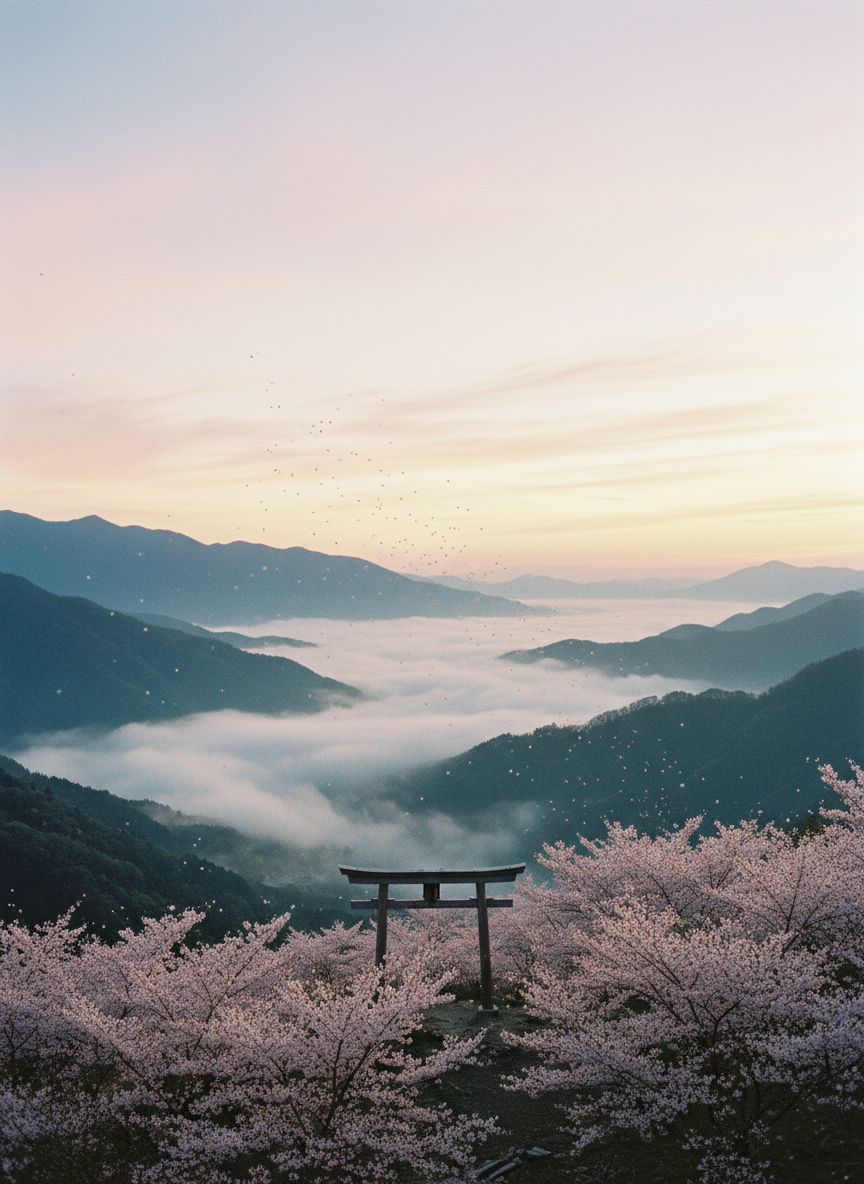
Japan · Asia
Kyoto Stillness
The art of beautiful impermanence
Before You Go
Travel Advisory
Japan Travel Advisory
Japan is one of the safest countries to visit, with excellent infrastructure and low crime.
Japan is generally low risk for crime and political instability · Carry your passport at all times, Japanese law requires it
Vaccinations
Recommended Vaccinations
No special vaccinations are required for Japan, but routine immunizations should be current.
Routine vaccines (MMR, diphtheria, tetanus, pertussis) up to date · Hepatitis A recommended for most travelers
Medical Alerts
Medical Alerts
Healthcare in Japan is excellent but can be expensive without insurance.
Medical care is high quality but payment is often required upfront · Ensure travel insurance covers medical evacuation
Kyoto does not reveal itself to those who rush. This journey is an invitation to slow down, to sit in moss gardens until the green enters your thoughts, to learn the geometry of a tea ceremony, and to walk bamboo groves at an hour when the only company is the wind. We guide you through the hidden Kyoto that exists behind the famous temples: the artisan workshops, the private machiya dinners, the mountain monasteries where monks have kept silence for eight hundred years.
Highlights
Private dawn meditation at a Zen monastery
Kaiseki dinner in a 300 year old machiya
Guided walk through Arashiyama bamboo at sunrise
Traditional indigo dyeing workshop with master artisan
The Gallery
Before You Go
Travel Tips
Travel Advisory
Japan Travel Advisory
Japan is one of the safest countries to visit, with excellent infrastructure and low crime.
- Japan is generally low risk for crime and political instability
- Carry your passport at all times, Japanese law requires it
- Earthquakes occur, familiarize yourself with hotel evacuation procedures
- Download the Safety tips app from the Japan Tourism Agency for English alerts
- Tap water is safe to drink throughout the country
Vaccinations
Recommended Vaccinations
No special vaccinations are required for Japan, but routine immunizations should be current.
- Routine vaccines (MMR, diphtheria, tetanus, pertussis) up to date
- Hepatitis A recommended for most travelers
- Hepatitis B recommended for longer stays or possible medical exposure
- Japanese encephalitis only if visiting rural farming areas for extended periods
- No yellow fever certificate required
Medical Alerts
Medical Alerts
Healthcare in Japan is excellent but can be expensive without insurance.
- Medical care is high quality but payment is often required upfront
- Ensure travel insurance covers medical evacuation
- Pharmacies are common but some Western medications are restricted, carry prescriptions
- Pollen counts are very high in spring, bring antihistamines if sensitive
- Mosquito-borne illness risk is low but use repellent in summer
Packing List
Temple Ready Packing
Kyoto rewards quiet, considered packing. Slip on shoes are a revelation.
- Easy slip on/off shoes, you will remove them at every temple, teahouse, and ryokan
- Modest, breathable layers, shoulders and knees covered for sacred sites
- White socks without holes (you will be barefoot often)
- Light rain layer for plum rains in June and typhoon season in September
- Small coin purse for temple offerings and station vending machines
- Reusable folding umbrella, it is both practical and locally elegant
Local Customs
Reading the Room
Kyoto's culture is quiet, precise, and deeply considerate. Match the tone.
- Bow slightly when greeting and thanking, a small nod goes a long way
- Do not tip, it can be considered rude; excellent service is the standard
- Remove shoes before entering any home, temple, ryokan, or traditional restaurant
- Keep your voice low on public transit, silent phones, no calls
- Do not eat while walking; stop and eat near the food stall or stand
- Carry a small trash bag, public bins are rare, you carry your own
Health & Safety
Mountain & Temple Wellness
Quiet places still need basic care.
- Mountain trails around Kurama can be steep and rooty; wear proper hiking shoes
- Carry water on temple walks; some sites have limited refreshment
- Japan is very safe; still, keep valuables secure in busy station areas
- Pharmacies (yakkyoku) are marked with a green cross; English is limited
Getting Around
Moving Through Kyoto
The city is best on foot, bicycle, and the efficient rail network.
- Get an IC card (Suica or ICOCA) for seamless train, bus, and vending payment
- Trains and buses are punctual to the minute, plan connections with confidence
- Rent a bicycle to reach the quieter northern temples
- Taxis are spotless and metered but pricey, use for late nights or rain
- Walk the Philosopher's Path at dawn to avoid the crowds entirely
Weather & When
Kyoto's Four Distinct Seasons
Each season paints the city differently.
- Spring (March to May): cherry blossom season, mild and crowded; book early
- Autumn (October to November): vivid maple foliage; the most beautiful time
- Summer is hot and humid; start early and rest through the afternoon
- Winter is cold and quiet; some mountain temples receive snow
Money & Tipping
Cash Still Rules
Despite its modernity, Kyoto's old quarters run on cash.
- Carry yen, many small temples, teahouses, and shops are cash only
- Withdraw at 7 Eleven ATMs, most reliable for foreign cards
- IC cards cover transit and convenience stores; keep them topped up
- No tipping anywhere, the price is the price
Traveler Voices
Stories From the Field
5.0
3 Reviews
Sophie Laurent
"I came back a different person"
The night at the Zen monastery on Mount Kurama changed something in me. Evening chanting with the monks, the moss garden at dawn, the discipline of the tea ceremony. I have travelled widely and this is the first time a place taught me how to be still. The machiya townhouse was exquisite, every detail considered.
James Whitfield
"The Kyoto behind the Kyoto"
We had been to Kyoto before and thought we knew it. This trip showed us the city that exists behind the famous temples. The indigo dyeing workshop with the master artisan, the kaiseki dinner in a 300 year old machiya, the bamboo grove at sunrise with no one else there. This is how travel should be done.
Amelia Chen
"Worth every yen and every minute"
The pace was perfect. Not rushed, not idle. Our guide had relationships with people and places you could never access on your own. The mountain monastery stay was the spiritual highlight but honestly the food alone was worth the trip. Best trip I have ever taken, hands down.
The Journey
Afternoon
Arrival & Settling In
Check into a restored machiya townhouse. Evening walk through Gion district. Welcome dinner.
Morning
The Temple Route
Pre-dawn visit to Fushimi Inari. Morning at Kinkaku-ji. Afternoon tea ceremony with a master.
Morning
Mountain Monastery
Travel to Mount Kurama. Overnight stay at a Zen temple. Participate in evening chanting.
Morning
Arashiyama & The Bamboo
Dawn walk through the bamboo grove. Boat on the Oi river. Indigo dyeing workshop in the afternoon.
Live Logistics
FROM
$5,500
per person
ATMOSPHERE

